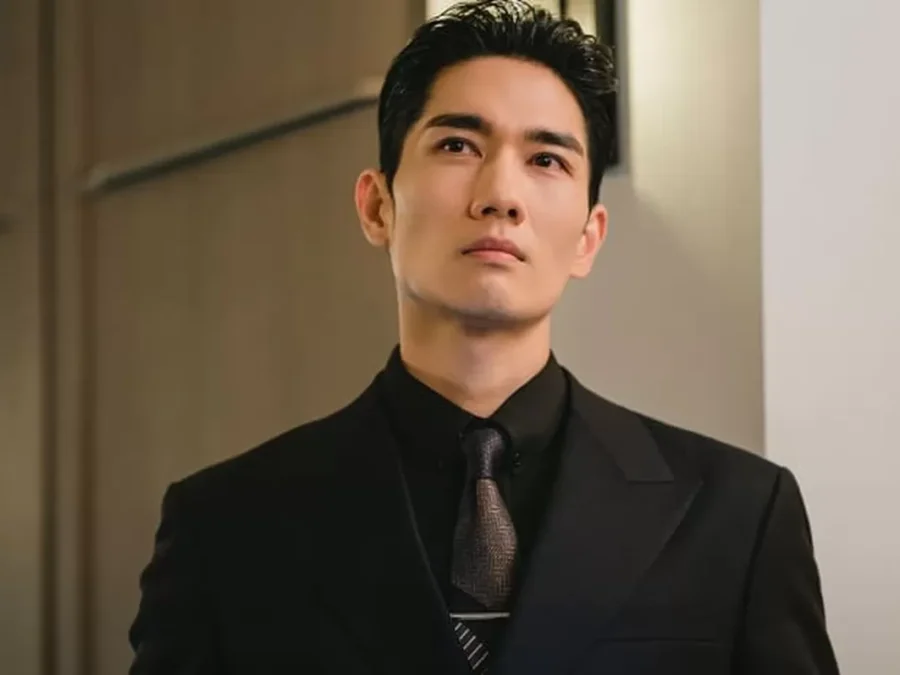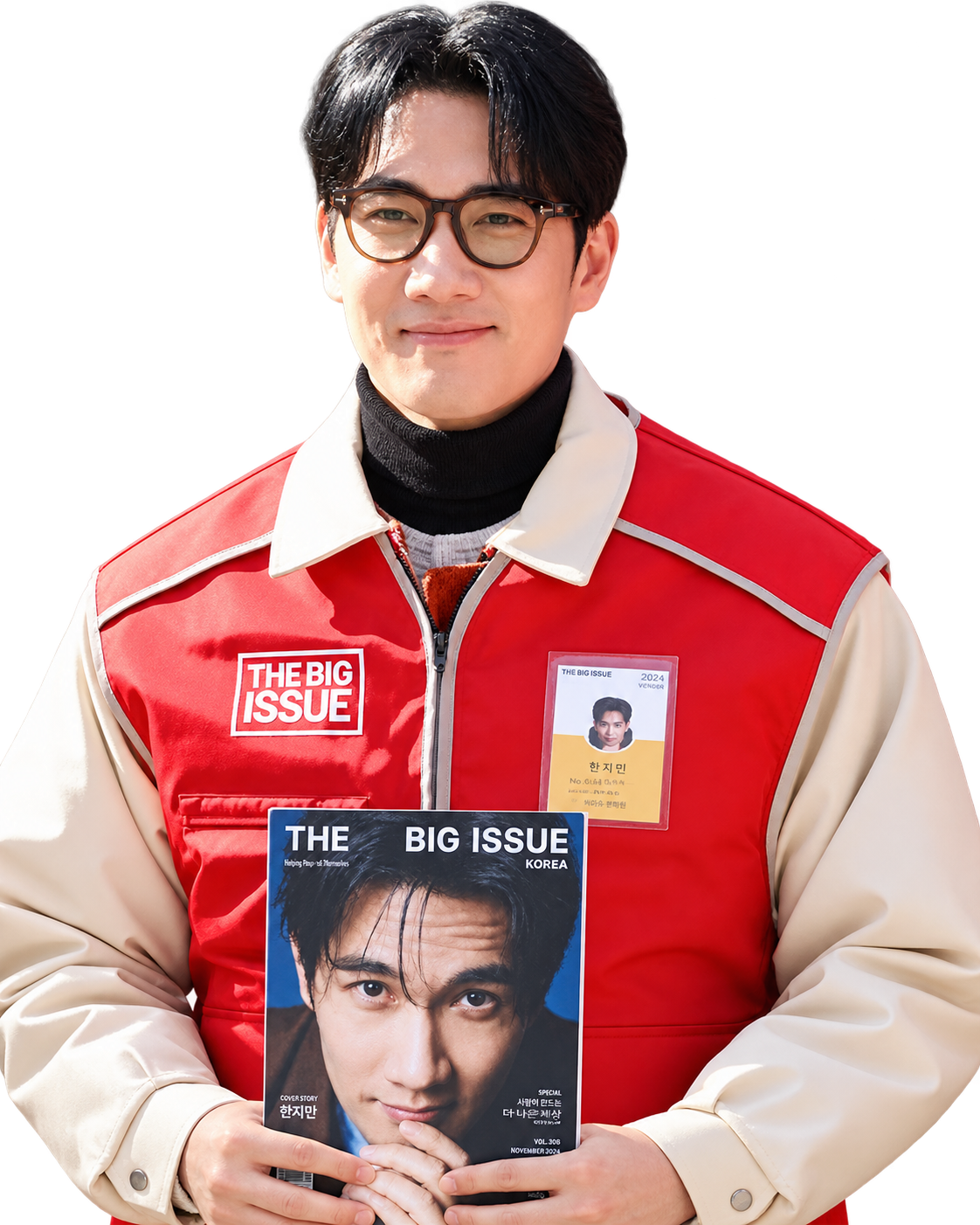
An Actor Defined by Atmosphere
Uhm Tae-goo has built a distinctive place in Korean cinema and television through performances shaped by restraint, intensity, and ambiguity. Rather than relying on overt gestures, he often allows silence, posture, and a fleeting change in expression to carry the emotional weight of a scene. His characters may appear distant or unreadable at first, yet they gradually reveal complex inner lives.
From Film Tension to Television Warmth
Across his work, Uhm Tae-goo moves comfortably between stark cinematic roles and more accessible television performances. In films, he has frequently embodied men caught between violence, loyalty, fear, and responsibility. These characters are rarely simple heroes or villains. They exist in uncertain moral spaces, giving his performances a lingering tension.
His television work has also highlighted a gentler range. Moments of awkward humor, vulnerability, and affection create a contrast with the hardened figures associated with some of his earlier roles. This balance has helped establish him as an actor capable of shifting tone without losing his unmistakable presence.
The Power of a Minimal Performance
What makes Uhm Tae-goo compelling is his commitment to detail. A lowered gaze, a measured pause, or an unexpectedly quiet reaction can suggest an entire history beyond the frame. He does not always announce a character’s feelings; instead, he invites viewers to observe and interpret them.
An Evolving Screen Identity
Uhm Tae-goo’s body of work reflects an ongoing interest in characters living under pressure. Whether placed in a crime drama, romance, period story, or psychological narrative, he brings a thoughtful physicality and a distinctive sense of rhythm. His performances reward close attention, revealing new layers with each viewing and confirming his status as one of Korea’s most intriguing contemporary actors.